Protecting Michigan Buildings Through Advanced Vapor Mitigation Systems
Protecting Michigan Buildings Through Advanced Vapor Mitigation Systems
A quiet but serious environmental risk often hides beneath buildings, rising invisibly from the soil and threatening indoor air quality over time. Vapor intrusion has become a growing concern across industrial, commercial, and residential properties, particularly in regions with legacy contamination. This article explores how VIMS installed in Michigan by Midwest Barrior Solutions address this challenge through proven engineering practices and localized expertise. The discussion focuses on why vapor intrusion mitigation matters, how modern systems function, and the long-term value they provide for safer, compliant, and healthier built environments across Michigan.
Understanding Vapor Intrusion and Its Impact on Indoor Air Quality
Vapor intrusion occurs when volatile chemicals migrate from contaminated soil or groundwater into enclosed structures, creating potential health and regulatory issues. In Michigan, historic manufacturing and fuel storage activities have increased awareness of this risk. VIMS installed in Michigan by Midwest Barrior Solutions play a critical role in interrupting this pathway by controlling pressure differentials and sealing entry points. Positioned in the middle of mitigation planning, these systems help property owners meet environmental standards while protecting occupants from prolonged exposure to harmful vapors.
The Role of Engineering Precision in Vapor Mitigation Design
Effective vapor mitigation depends on careful assessment, site-specific design, and precise installation. Soil composition, building foundation type, and contaminant profile all influence system performance. Engineers prioritize durability and adaptability to ensure consistent operation under varying conditions. By integrating proven materials and monitoring capabilities, mitigation systems remain functional for decades. The central objective is maintaining negative pressure beneath structures, ensuring vapors are safely redirected away from indoor spaces while preserving structural integrity and operational efficiency.
Why Michigan Requires Specialized Vapor Mitigation Expertise
Michigan’s diverse geology and climate create unique challenges for vapor intrusion control. Seasonal temperature changes, freeze-thaw cycles, and varying groundwater levels demand solutions tailored to local conditions. Midwest Barrier Solutions Vapor Mitigation System Installation in Michigan reflects this regional understanding by adapting designs to site-specific variables. Placed strategically in the middle of project execution, such installations support compliance with state environmental guidelines while reducing future remediation costs, offering stability for property owners navigating complex regulatory landscapes.
Installation Practices That Support Long-Term System Performance
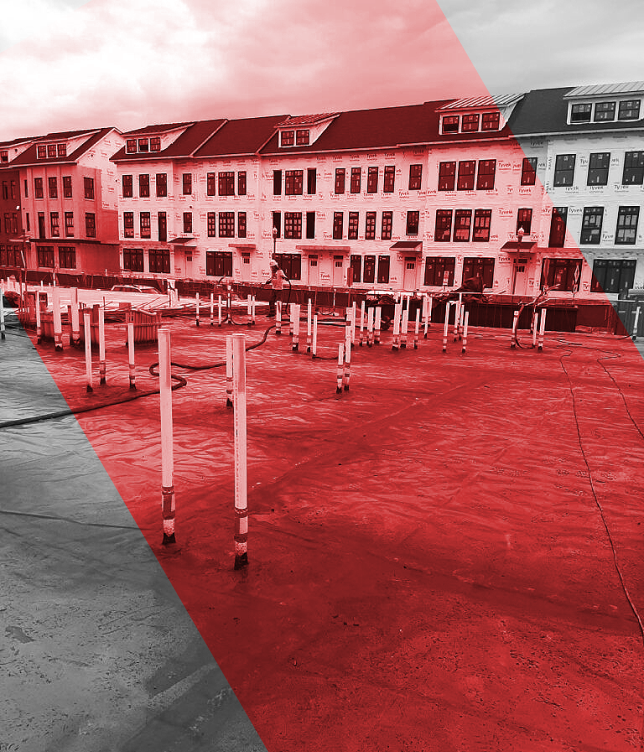
Professional installation is essential for ensuring mitigation systems perform as intended over time. Proper sealing, fan placement, and pressure testing confirm system effectiveness before occupancy. Midwest Barrier Solutions Vapor Mitigation System Installation in Michigan emphasizes quality control throughout construction phases, minimizing the risk of system failure. By positioning mitigation infrastructure during initial development or targeted retrofits, property stakeholders benefit from reduced maintenance concerns and consistent indoor air quality across varying usage conditions.
Regulatory Compliance and Risk Management Benefits
Vapor mitigation systems also function as risk management tools, helping organizations demonstrate due diligence in environmental stewardship. Compliance with federal and state guidelines reduces liability and supports property transactions. Midwest Barrier Solutions Vapor Mitigation System Installation in Michigan aligns technical execution with documentation requirements, ensuring transparency during inspections and audits. Located centrally within environmental management strategies, these systems contribute to smoother project approvals and long-term asset protection for commercial and industrial facilities.
The Value of Proactive Vapor Mitigation Planning
Addressing vapor intrusion early prevents costly corrective actions later. Proactive planning integrates mitigation into building design, avoiding disruptions after occupancy. Developers and facility managers increasingly recognize mitigation as an investment rather than an expense. With properly engineered systems, buildings maintain healthier indoor environments while preserving market value. This forward-looking approach supports sustainable development goals and reinforces confidence among occupants, regulators, and investors alike.
Conclusion: Building Safer Indoor Environments Across Michigan
Vapor intrusion mitigation represents a critical intersection of environmental responsibility and building performance. Through informed design, precise installation, and regulatory alignment, effective systems protect both people and property. Midwest Barrier Solutions contributes to this effort by delivering dependable mitigation solutions suited to Michigan’s conditions.


Comments
Post a Comment